
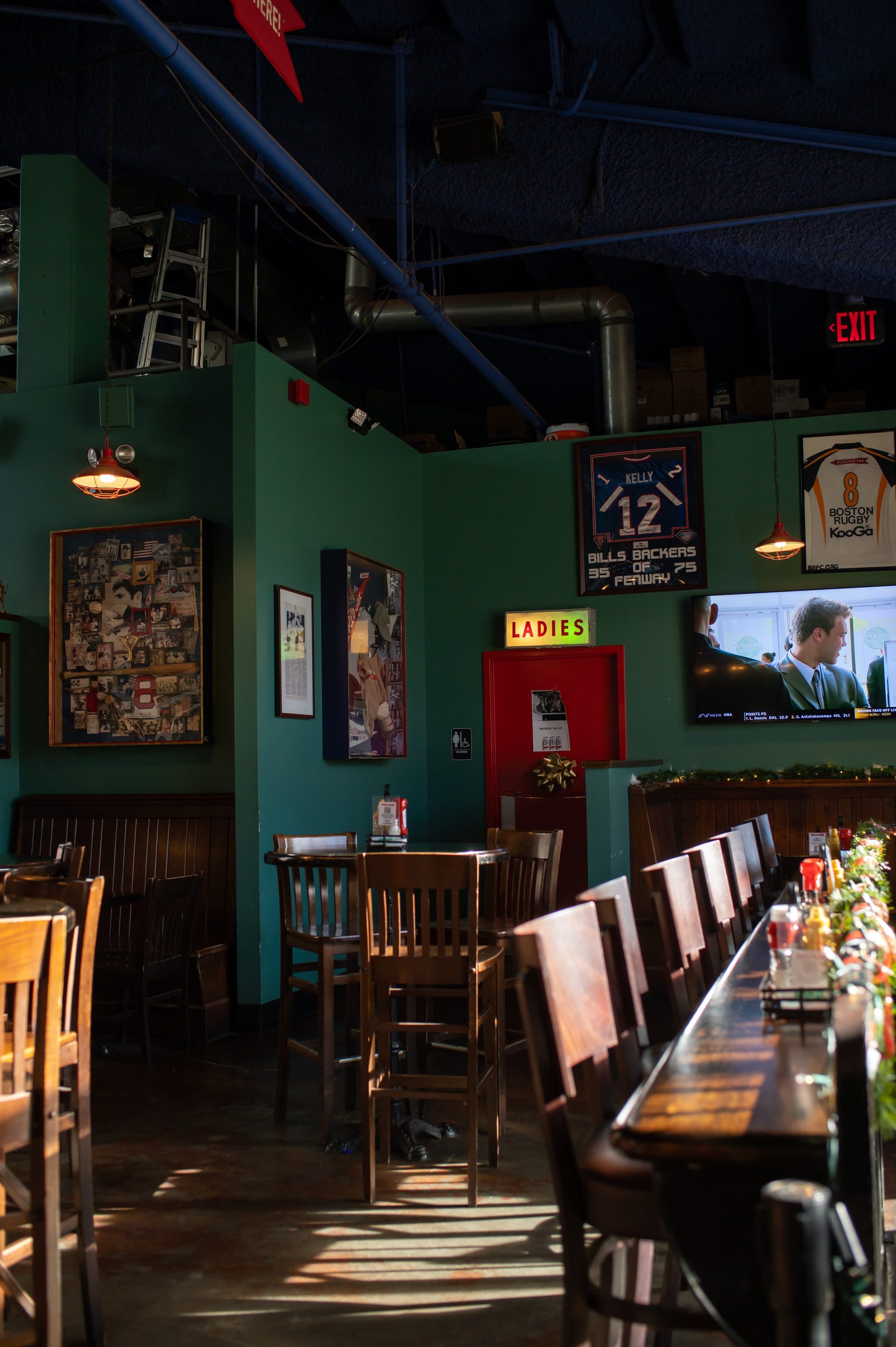
How to Book a Table at Bleacher Bar: Complete Reservation Guide for Fenway Park's Iconic Sports Bar
Bleacher Bar is built into Fenway Park's center field wall, offering something no other bar in the country can claim: an unobstructed view into a Major League Baseball stadium from your barstool. The…
Bleacher Bar is built into Fenway Park's center field wall, offering something no other bar in the country can claim: an unobstructed view into a Major League Baseball stadium from your barstool. The venue's signature feature is a garage door-style opening that looks straight onto the field where the Red Sox play. You can watch batting practice, see groundskeepers preparing the field, and observe pre-game rituals that typically remain hidden from public view.
Securing a reservation at this one-of-a-kind venue requires planning, especially during baseball season. Whether you're a die-hard Red Sox fan or a curious visitor wanting to peek inside historic Fenway Park, knowing how to book a table at Bleacher Bar makes the difference between a memorable experience and hours of frustration in the waiting area.
Why Bleacher Bar Reservations Are Essential for the Ultimate Fenway Experience
The center field location that makes Bleacher Bar special also limits its capacity. The venue operates within the physical constraints of Fenway Park's structure, which means seating is finite and the most coveted tables with direct field views are even more limited. During Red Sox home games, demand exceeds capacity by significant margins. Visitors who arrive without reservations often face wait times measured in hours, and many never get seated at all during peak periods.
The field view tables are the main draw. These seats position guests directly in front of the opening that looks onto the playing field. From these vantage points, visitors can watch batting practice, see groundskeepers preparing the field, and observe the pre-game rituals that typically remain hidden from public view. During games, the perspective offers an unusual angle on the action, though the experience differs from holding an actual game ticket with a traditional stadium seat.
Reservations guarantee entry and seating, which is critical on game days when the surrounding Fenway area becomes congested with crowds. The bar enforces its reservation system strictly during high-demand periods. Walk-ins get accommodated when space allows, but reserved guests receive priority. This policy protects the experience for those who planned ahead while managing the flow of visitors through a relatively small space.
The booking process also helps the venue manage the different types of visits. Some guests want a quick drink and photo opportunity with the field view. Others plan to spend several hours enjoying the full menu while soaking in the atmosphere. Reservations allow the staff to anticipate these patterns and optimize table turnover without rushing guests or leaving tables empty during peak demand.
Beyond the practical considerations, securing a reservation changes the entire visit dynamic. Instead of hovering near the host stand hoping for an opening, guests can arrive at their designated time and move directly to their table. This is important for visitors combining their Bleacher Bar experience with other Fenway area activities or coordinating group outings where timing affects the entire schedule.
How to Book a Table at Bleacher Bar Online
The primary method to book a table at Bleacher Bar involves the venue's online reservation system. Guests can access the booking interface directly through Bleacher Bar's official website, where the reservation platform integrates with the site's main navigation. Look for the "Reservations" or "Book Now" button, typically positioned prominently on the homepage and in the main menu.
The online booking process starts with selecting a date. The system displays available time slots for the chosen date, with availability varying based on the Red Sox schedule. Game day slots fill weeks in advance, while non-game days often show same-day availability. The interface indicates whether a Red Sox game is scheduled, helping guests understand what type of experience to expect.
After selecting a date and time, guests choose their party size. The system accommodates parties from two to larger groups, though table configurations and availability shift based on group size. Smaller parties have more flexibility in available time slots, while larger groups may find fewer options for prime viewing positions.
The booking form requires standard contact information: name, phone number, and email address. Most systems also request a credit card to hold the reservation. This card hold protects against no-shows during high-demand periods. The venue typically doesn't charge the card unless guests fail to appear for their reservation or cancel outside the allowed window.
Special requests can be noted during the booking process. Guests hoping to secure field view seating should indicate this preference in the notes section, though the venue cannot guarantee specific table assignments at the time of booking. Other relevant information might include celebration occasions, accessibility needs, or timing constraints that affect the visit.
Confirmation arrives via email immediately after completing the booking. This confirmation includes the reservation date, time, party size, and a reservation number. The email also outlines the cancellation policy and provides contact information for modifying the reservation. Guests should save this confirmation and bring it to the venue, either printed or accessible on a mobile device.
Phone reservations remain an option for those who prefer speaking directly with staff or have questions about the booking process. The bar's phone line connects to hosts who can check real-time availability, answer questions about the venue, and complete reservations over the phone. This method works well for complex bookings involving large groups or special circumstances that don't fit standard online forms.
Some reservation platforms send reminder notifications as the reservation date approaches. These reminders typically arrive 24 to 48 hours before the scheduled time and may include options to confirm, modify, or cancel the reservation directly from the reminder message.
Timing Your Reservation: Game Days vs. Non-Game Days Strategy
The Red Sox schedule dictates reservation strategy at Bleacher Bar more than any other factor. Game days and non-game days offer different experiences and require different booking approaches.
For Red Sox home games, particularly weekend games and matchups against popular opponents like the Yankees, booking should happen as soon as the schedule allows. The most competitive reservations—those coinciding with first pitch or the hours immediately before—can fill up three to four weeks in advance. Weeknight games against less prominent opponents provide slightly more flexibility, but even these dates see heavy booking activity within two weeks of the game.
The hours before first pitch see peak demand on game days. Fans want to arrive early enough to watch batting practice through the center field opening while having time to eat and drink before potentially heading to their seats or watching the game from the bar. Reservations between two hours before first pitch and game time are the hardest to secure.
Game day reservations later in the evening, after first pitch, become easier to book. Some guests prefer this timing because they can watch the game's progression on the bar's televisions while occasionally glancing at the live field view. The atmosphere remains energetic, but the desperate scramble for tables subsides once the game begins and most fans have settled into their plans.
Non-game days present a completely different scenario. The bar operates year-round, offering the unique field view even when the Red Sox are on the road or during the off-season. These periods provide excellent opportunities for visitors who want the Bleacher Bar experience without game day crowds. When you book a table at Bleacher Bar for non-game days, reservations can often be made just a few days in advance, and same-day bookings frequently succeed.
The non-game day experience emphasizes the venue's food and drink offerings alongside the novelty of looking into an empty Fenway Park. The field sits quiet, sometimes with maintenance crews working or the grounds completely still. This perspective appeals to baseball fans who appreciate seeing the stadium in its dormant state and to visitors who want a more relaxed meal without the intensity of game day crowds.
Shoulder periods—the hours on game days well before or after the main event—offer a middle ground. Booking a late lunch on a game day, several hours before first pitch, combines easier reservation availability with the building energy of an upcoming game. Similarly, late-night reservations after games conclude provide access to the venue when crowds have dispersed.
Seasonal considerations also affect booking strategy. Summer weekend games during the height of baseball season create the most competitive reservation environment. April and September weekday games, when weather is less predictable and school schedules affect attendance, offer better booking flexibility even on game days.
Securing the Best Seats: Field View Tables and Optimal Positioning
Not all tables at Bleacher Bar offer equal views of Fenway Park. The venue's layout includes the famous center field opening, but the interior extends beyond the immediate viewing area. Understanding the seating configuration helps guests set realistic expectations and request optimal positioning when booking.
The premium positions sit directly in front of the garage door-style opening that looks onto the field. These tables provide unobstructed sightlines to center field, the outfield grass, and portions of the infield depending on the angle. The number of tables in this prime position is limited—typically fewer than a dozen seats have the direct, straight-on view that appears in promotional photos.
Tables positioned at angles to the opening still offer field views but require guests to turn their heads or shift their positions to see through the window. These seats work well for groups where not everyone needs constant field visibility or for visits where the view is part of the experience rather than the sole focus.
The bar seating along the counter provides another viewing option. These spots often offer good sightlines to the field opening while accommodating smaller parties or individuals. Bar seats turn over more quickly than tables, which can work in favor of walk-in guests hoping for field views without reservations.
When you book a table at Bleacher Bar, note your preference for field view seating in the special requests section. While the venue cannot guarantee specific table assignments at booking time, indicating this preference helps the host staff accommodate the request when possible. Arriving at the earlier end of the reservation window also improves chances of securing preferred seating, as hosts have more flexibility before the rush of subsequent reservations.
Demand for field view tables exceeds supply during peak periods. Even with a reservation, guests may not receive the front-row position they envisioned. The venue balances accommodating preferences with operational efficiency and fairness across all reservations. Setting expectations accordingly prevents disappointment and allows guests to appreciate the overall experience rather than fixating on a specific table.
For visitors where the field view is non-negotiable, communicating directly with the venue via phone when making the reservation can help. Speaking with staff allows for a clearer discussion of what's possible and what to expect. Some guests choose to book multiple shorter reservations across different time slots, increasing their chances of experiencing the prime viewing positions.
The field view changes throughout the day and season. During day games, natural light illuminates the field beautifully through the opening. Evening games create a different ambiance as the stadium lights come on. Off-season visits show the field in various states of maintenance or even covered with tarps. Each perspective offers its own appeal.
Walk-In Options and Waitlist Strategies When Reservations Are Full
Despite the emphasis on reservations, Bleacher Bar does accommodate walk-in guests when capacity allows. Understanding how the walk-in and waitlist systems work provides options for visitors who couldn't secure advance reservations or who decide spontaneously to visit.
Walk-in availability varies based on timing. Non-game days, particularly weekday afternoons, offer the best chances for walk-in seating. Guests who arrive during these periods often wait 15 to 30 minutes rather than hours. The bar operates at a more relaxed pace, and table turnover creates regular openings.
Game days present a different challenge. Walk-ins on game days should expect substantial waits in the hours surrounding first pitch. Wait times of two to three hours are common during peak periods, and some guests never get seated despite waiting. The host staff maintains a waitlist, but the volume of people hoping for tables can overwhelm available capacity.
The waitlist system operates on a first-come, first-served basis among walk-in guests, though reserved parties always receive priority. When arriving without a reservation, guests check in with the host stand and provide their name, party size, and contact number. The host estimates wait times based on current capacity and expected turnover, though these estimates can shift as circumstances change.
Guests on the waitlist don't need to remain physically at the venue. The host staff typically calls or texts when a table becomes available, giving guests a window to return and claim their spot. This flexibility allows walk-in visitors to explore the Fenway area, grab a drink at a nearby establishment, or simply avoid standing in a crowded waiting area for extended periods.
Strategic timing improves walk-in success rates. Arriving right when the bar opens, before the lunch or dinner rush builds, provides better odds. Similarly, late-night visits after the primary dinner service has concluded can yield openings. On game days, the period immediately after first pitch sometimes sees a slight easing of demand as fans with game tickets head to their seats.
Smaller parties have advantages in the walk-in system. Two-person groups fit into bar seats or smaller tables that larger parties cannot use. Singles can often slide into bar spots that open up between larger reservations. Groups of five or more face the longest waits because accommodating them requires specific table configurations.
Persistence sometimes pays off, but guests should weigh the opportunity cost of waiting hours for a table against other ways to spend their time in Boston. For visitors with limited time in the city, a multi-hour wait at Bleacher Bar might not be the best use of their trip. For local residents or those with flexible schedules, the wait might be worth the eventual payoff.
Alternative strategies include visiting during the off-season when the Red Sox are not playing. November through March sees reduced demand, and walk-in guests can often secure field view tables with minimal wait times. The experience differs from game day energy, but the unique venue characteristics remain.
Best Practices When You Book a Table at Bleacher Bar for Groups
Larger parties and groups celebrating special occasions require different booking considerations than standard reservations. Bleacher Bar accommodates groups, but advance planning becomes even more critical as party size increases.
The venue's capacity constraints affect group bookings significantly. While the bar can handle parties of six to eight with standard reservations, groups larger than eight typically need special arrangements. These larger parties should contact the venue directly rather than relying solely on online booking systems, which may not accurately reflect availability for big groups.
Birthday celebrations, bachelor or bachelorette parties, and corporate outings are common group booking scenarios. The venue's unique setting makes it attractive for these occasions, particularly for baseball fans. However, groups should understand that the bar operates as a public venue rather than a private event space during most hours. The experience involves sharing the space with other guests rather than having exclusive access.
For groups seeking more privacy or guaranteed field view positioning, inquiring about semi-private options or booking during less busy periods makes sense. Some time slots, particularly non-game weekday afternoons, provide a more controlled environment where a larger group can occupy a significant portion of the venue without competing with heavy public traffic.
Lead time for group bookings should extend further than standard reservations. Where an individual couple might book two weeks ahead for a game day visit, a group of twelve should start planning four to six weeks in advance. This timeline allows the venue to coordinate staffing, table configurations, and any special requests the group might have.
Group bookings benefit from designating a single point of contact who handles communication with the venue. This person manages the reservation details, communicates any changes in party size, and ensures the group understands arrival times and policies. Having one coordinator prevents confusion and helps the venue prepare appropriately.
Deposit or credit card hold policies may differ for large groups. The venue protects against no-shows and last-minute cancellations by requiring financial guarantees for bigger parties. These policies are standard in the hospitality industry and help the venue manage the significant impact that a large group cancellation creates.
Groups should discuss their expectations with venue staff during the booking process. If the primary goal is field viewing, communicating this helps staff plan table assignments. If the focus is more on the social gathering with the venue as a unique backdrop, different seating arrangements might work better. Clear communication prevents disappointment when the group arrives.
What to Know Before Your Visit: Entry, Dress Code, and Game Day Access
Several common questions and misconceptions surround visiting Bleacher Bar, particularly regarding access and requirements. Clarifying these details before arrival prevents confusion and ensures a smooth experience.
The most frequent misconception involves Red Sox tickets. Guests do not need Red Sox game tickets to access Bleacher Bar. The venue operates independently from Fenway Park's ticketed areas. Visitors can enjoy the bar, order food and drinks, and view the field through the center field opening without purchasing game tickets. This independence makes the bar attractive to fans who want a taste of the Fenway atmosphere without the expense of game tickets.
Entry to Bleacher Bar occurs through a separate entrance on Lansdowne Street, not through Fenway Park's gates. The bar has its own door and operates as a standalone establishment, though it's physically built into the stadium structure. This separate access means visitors don't go through stadium security or ticket checkpoints to reach the bar.
Dress code at Bleacher Bar is casual and sports-friendly. Guests regularly wear Red Sox jerseys, team hats, and other baseball apparel. The atmosphere embraces sports bar culture, and visitors should feel comfortable dressing as they would for a game or casual outing. There's no need for business casual attire or dressy clothing. Jeans, sneakers, and team gear fit the environment perfectly.
Age restrictions apply as with any bar. Bleacher Bar is 21+ during most hours, particularly during evening periods and game days. Some time slots, especially weekend lunch hours, may allow families with children, but guests should verify the policy for their specific reservation time. The venue's primary identity as a bar means the atmosphere and policies cater to adult guests.
ID requirements are strict. All guests should bring valid government-issued identification, even those well over 21. On busy game days, door staff check IDs carefully, and having identification ready speeds up entry. Out-of-state licenses and passports are acceptable.
Game day entry procedures can involve lines, even for guests with reservations. Arriving at or slightly before the reservation time is important, but guests should expect some congestion at the entrance during peak periods. The separate entrance from the main Fenway gates helps, but the surrounding area gets crowded when the Red Sox play.
Cancellation Policies and Modifying Your Bleacher Bar Reservation
Understanding the cancellation and modification policies protects guests from unexpected charges and helps maintain flexibility when plans change. Bleacher Bar, like most restaurants with high demand, enforces policies that balance guest convenience with operational needs.
Standard cancellation windows typically require 24 hours notice. Guests who cancel their reservation at least 24 hours before